Understanding Two-Spirit Identities & Indigenous Allyship
The ever-shifting queer community may at times have a "2S" in the common LGBT+ initialism; here's what that means and how we can support our Indigenous neighbors!

You may have noticed something in the first line of our Rainbow Dracuteer's mission statement that you haven't seen before: "Rainbow Dracuteers is a local, grassroots organization dedicated to serving the LGBTQIA2S+ community of Dracut, Massachusetts." There! That "2S" before the plus sign. What does that mean?
We've been asked this question a few times this year and wanted to take a moment during Native American History Month to answer properly!
What is Two-Spirit?
Two-Spirit is the contemporary umbrella term for culturally-specific gender identities within Indigenous communities that exist outside of the gender binary imposed by Western settler colonialism. It is a modern word for a deeply rooted, traditional gender identity. There are proper, specific terms for these gender diverse roles according to each distinct Native culture and language. Given that there are well over 500 living Native cultures on Turtle Island (North America) alone, there's an absolute plethora of different gender identities & expressions!
What Does "Two-Spirit" Mean? | InQueery | them. | December 2018
A few examples: the Diné (Navajo) traditionally view gender along a four quadrant spectrum, and folks who experience gender fluidly may be referred to as nádleehi. Traditional Lakȟóta (Lakota) spirituality understands gender as threefold: man, woman, and genderqueer/transgender, with Lakota terms wíŋkte & kȟoškákte related to contemporary identities of trans woman & trans man, respectively. The Tsėhésenėstsestȯtse (Cheyenne) he'emaneh, translated as "born male but has the heart and soul of a woman", were revered and respected with special ceremonial significance and communal roles. Each of these gender identities, expressions, and roles are culturally specific with thousands of years of oral traditions and ceremonies passed down through the generations. Two-Spirit was a label coined in Winnipeg by First Nation and Métis Elders in the 1990s to help promote intertribal cooperation and advocacy for the Native LGBTQIA+ & Indigiqueer communities across the globe.
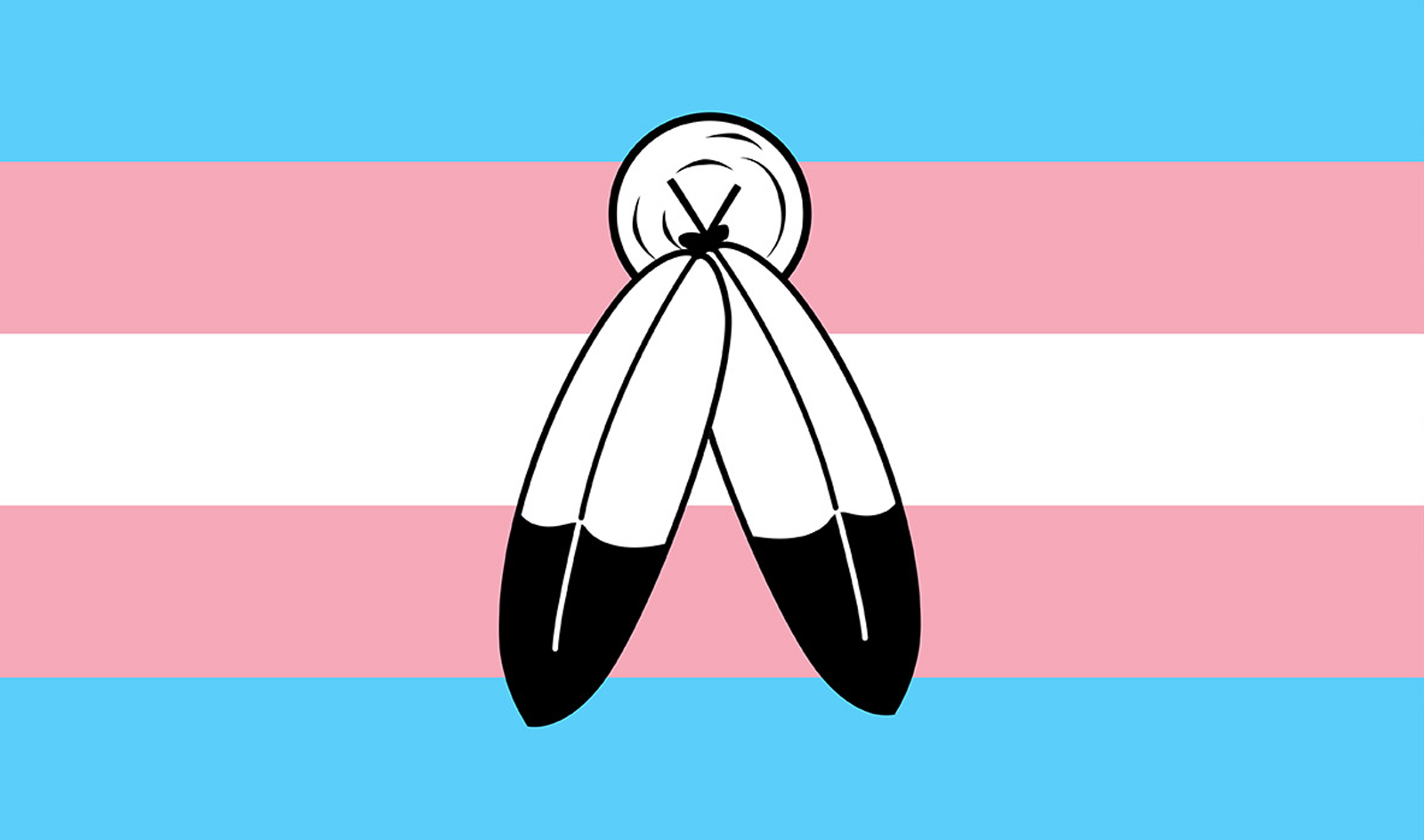
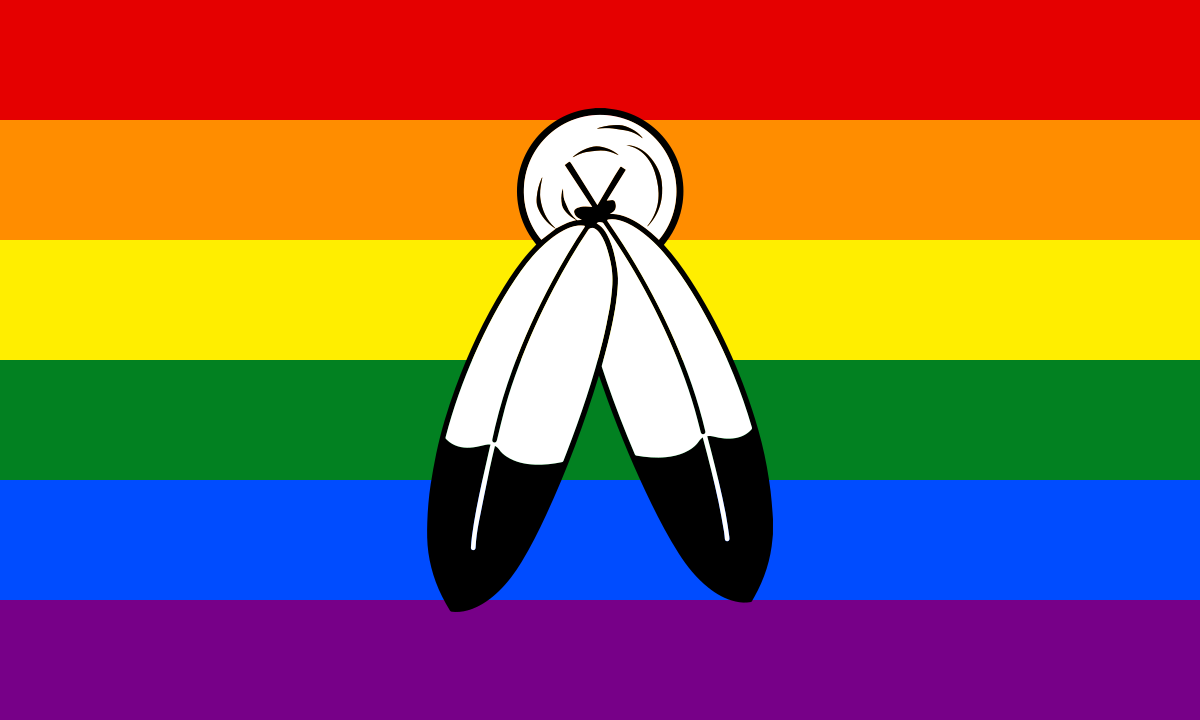
A couple commonly used Two-Spirit pride flag designs
 Scott de Groot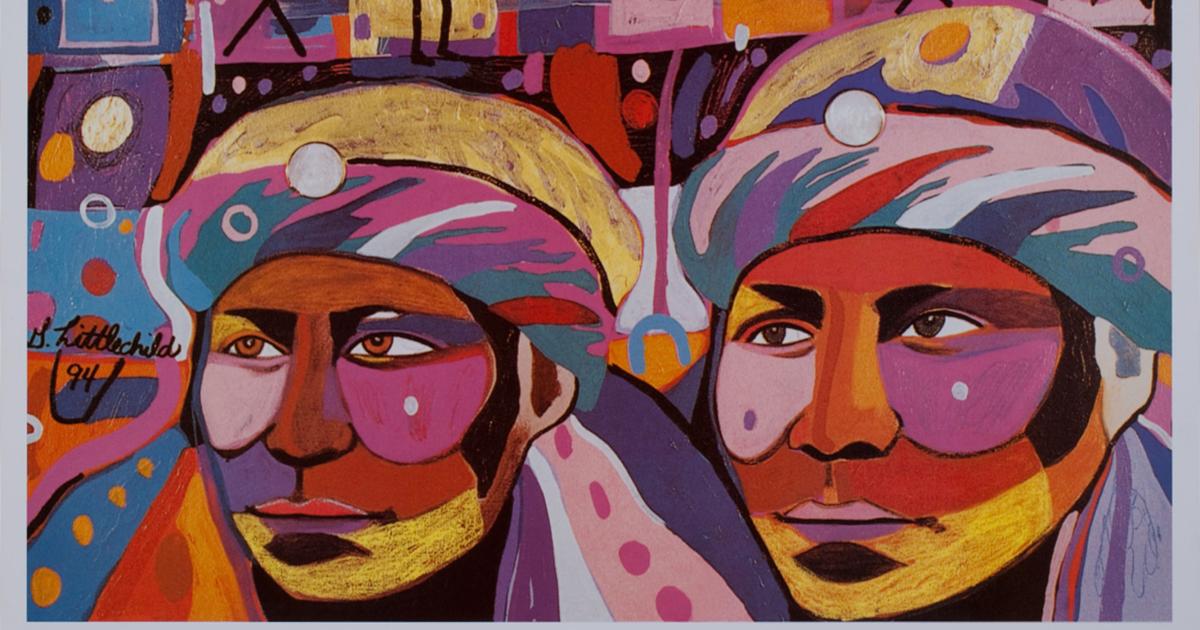
While the grand diversity of views on gender and sexuality between Indigenous cultures can be dizzying, they all share the same struggle: surviving colonization.
European settler colonialism, and later the American, Canadian, and Mexican governments that grew out of these North American colonial projects, brought with it a strict binary view of sex & gender and imposed that view on the countless Native cultures it interacted with (often violently). It was not just land that was stolen from the Indigenous peoples of Turtle Island; their very languages, cultural traditions, Native spiritualities, and complex cosmologies were attacked.
Hundreds of years of living under the violence of settler-colonialism pushed Native queerness to the fringes. Homophobia, transphobia, and misogyny was imported from European sentiments on sexuality and gender. Residential Schools forced children from their homes as a means to violently assimilate Indigenous youth and dismantle their linguistic and cultural knowledge. Where once these diverse understandings of gender were celebrated as sacred, many were then derided from within their own communities.
Two-Spirit is a modern term born to unite Indigenous peoples to reclaim their traditional cultures' views and celebrate the unique queerness inherent in these forcibly repressed gender roles.
Not every queer Native person may identity as Two-Spirit; some prefer the label Indigiqueer, and others only go by the specific terms from their culture, such as the nádleehi of the Diné. As always, no single queer person is a monolithic representation of every other queer person! This cannot be overstated in this particular conversation, since we're discussing identities that are intrinsically woven into sacred cultural selfhoods.
Created by Matika Wilbur, Project 562 is a multi-year national photography project dedicated to photographing over 562 federally recognized Tribes, urban Native communities, Tribes fighting for federal recognition and Indigenous role models in what is currently-known-as the United States, resulting in an unprecedented repository of imagery and oral histories that accurately portrays contemporary Native Americans. This creative, consciousness-shifting work will be widely distributed through national curricula, artistic publications, exhibitions, and online portals.
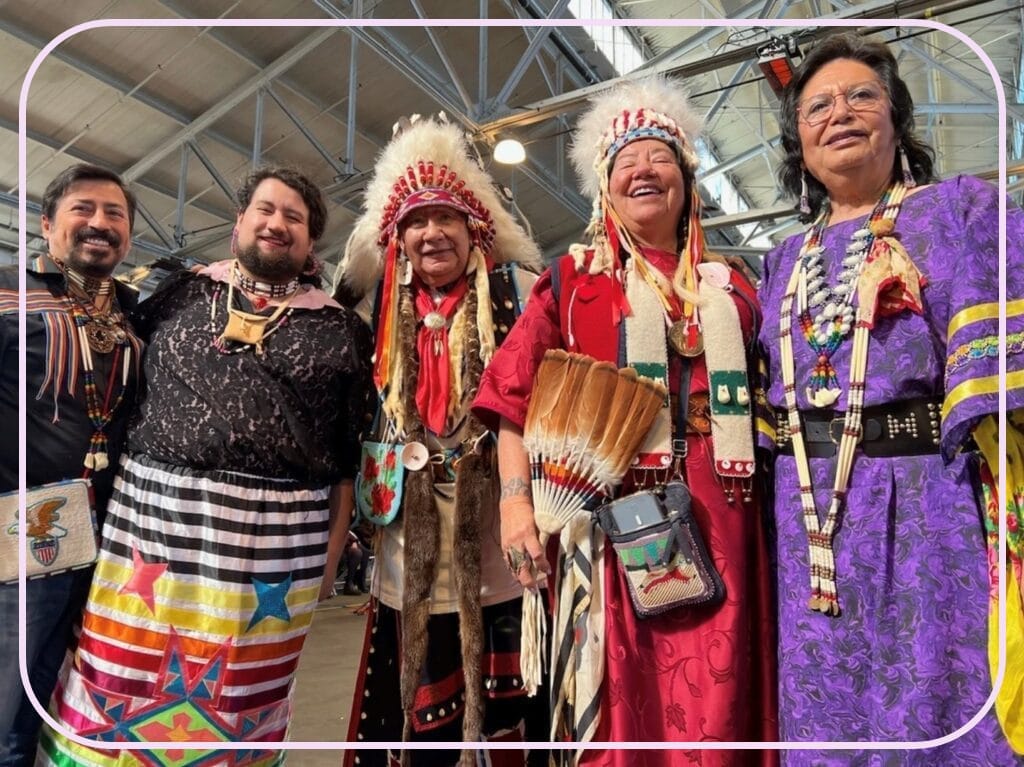
The Bay Area American Indian Two Spirits Pow Wow is held annually in San Francisco to restore & recover the role of Two-Spirit people within the American Indian/First Nations community by creating a forum for the spiritual, cultural & artistic expression of Two-Spirit people. Video Produced and Directed by Project 562, Matika Wilbur (2018)
Two-Spirit identity cannot exist outside of Indigenous communities. As I hope I've made clear, it is an umbrella term meant exclusively for LGBTQIA+ Natives and First Nations people. The identity cannot be extruded from this specific cultural context. If you are not Indigenous, you are not Two-Spirit. Native cultures are frequent targets of appropriation; queer Native culture is no exception to the feral hunger of cultural appropriation.
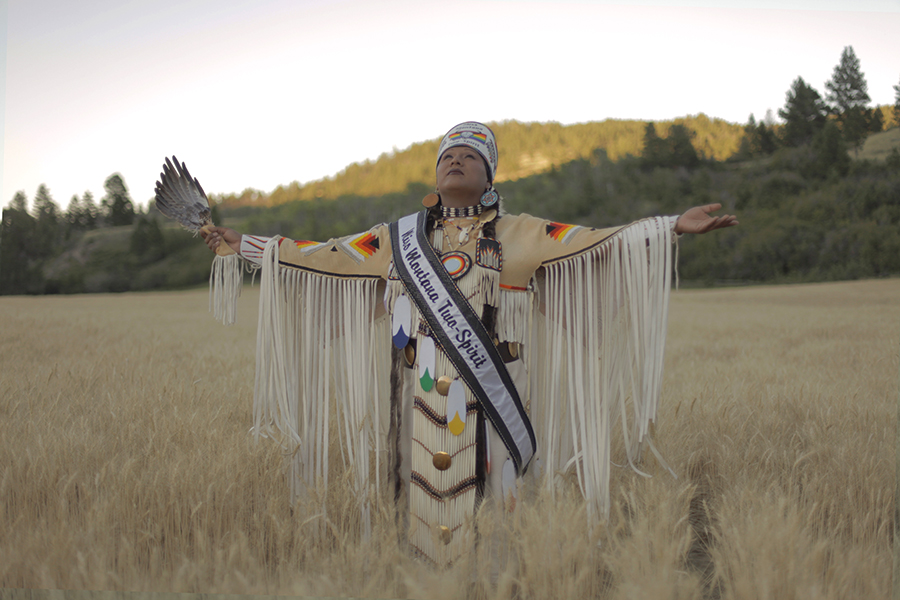
The wider LGBTQIA+ community must stand firm as allies with our Indigenous cousins. Two-Spirit folks deserve to be embraced, celebrated, and respected in all spaces—especially those espoused to be safe and affirming by non-Native queer people. The unique relationships Two-Spirit people have to gender, culture, and community is beautiful, and all are enriched by including and protecting them.
Indigenous Allyship
We here at Rainbow Dracuteers are firm in our support of all community members. This naturally includes our Indigenous neighbors—both those living within Dracut today, and those descendants of the original inhabitants of Merrimack Valley. As such, we always have a Land Acknowledgement permanently posted on our Mission page. It currently reads:
The town of Dracut, Massachusetts sits on unceded Pennacook land within N’dakinna, the Abenaki homeland. We acknowledge the traumatic history of genocide and forced displacement of the indigenous inhabitants of Mol8demak (Merrimack) Valley. The Pennacook-Abenaki of past, present, and future remain the original stewards of this land which has been their home for thousands of years. In acknowledging this painful past and its ongoing effects in the present, we seek to honor and respect the indigenous peoples forever connected to this land.
This Land Acknowledgement is a living, evolving statement based in the desire for Indigenous sovereignty, justice, and intercommunal cooperation. As understandings and languages evolve, so too will the specifics of the Acknowledgement; what will never change is the dedication to both education AND action in ongoing allyship with the Native American and First Nations community.
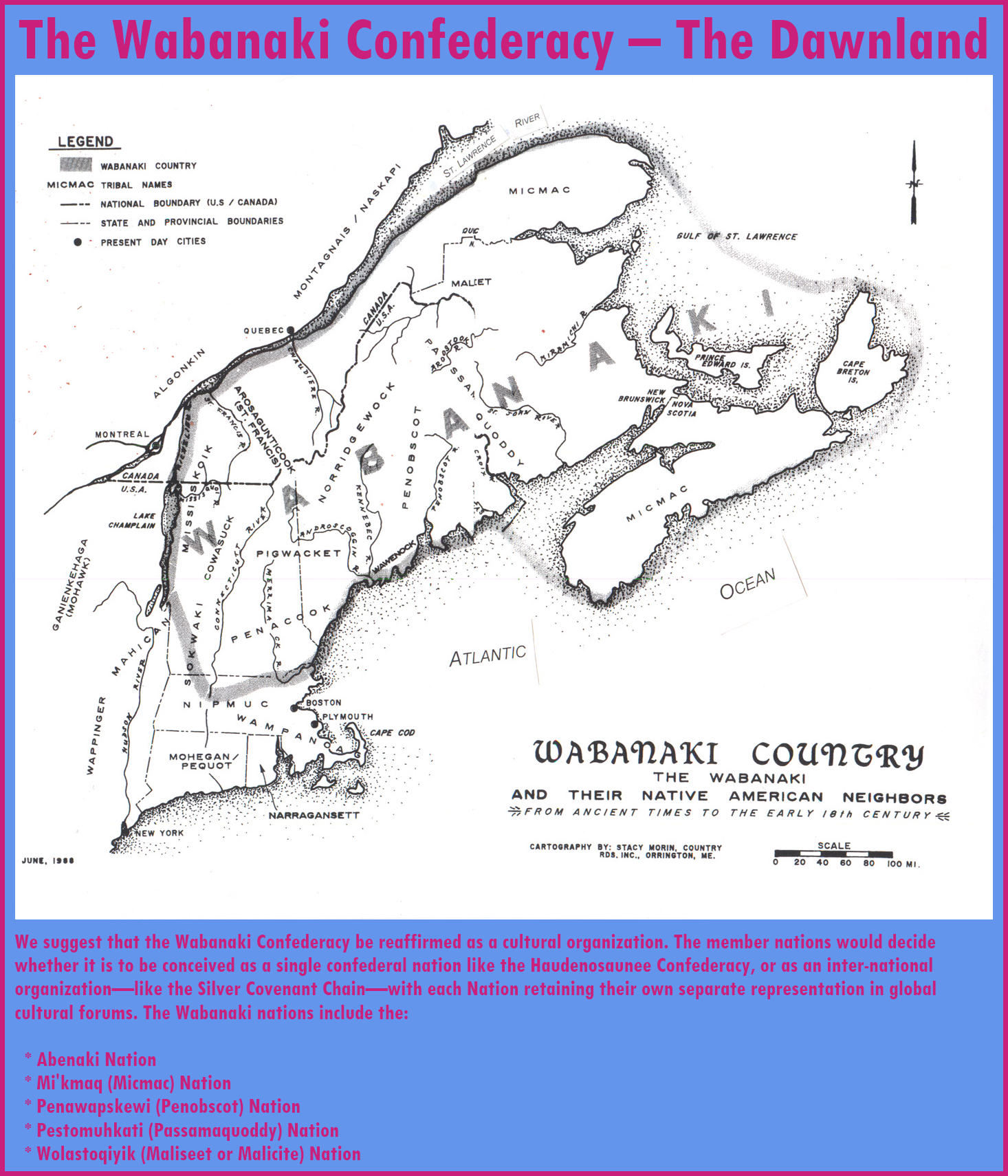
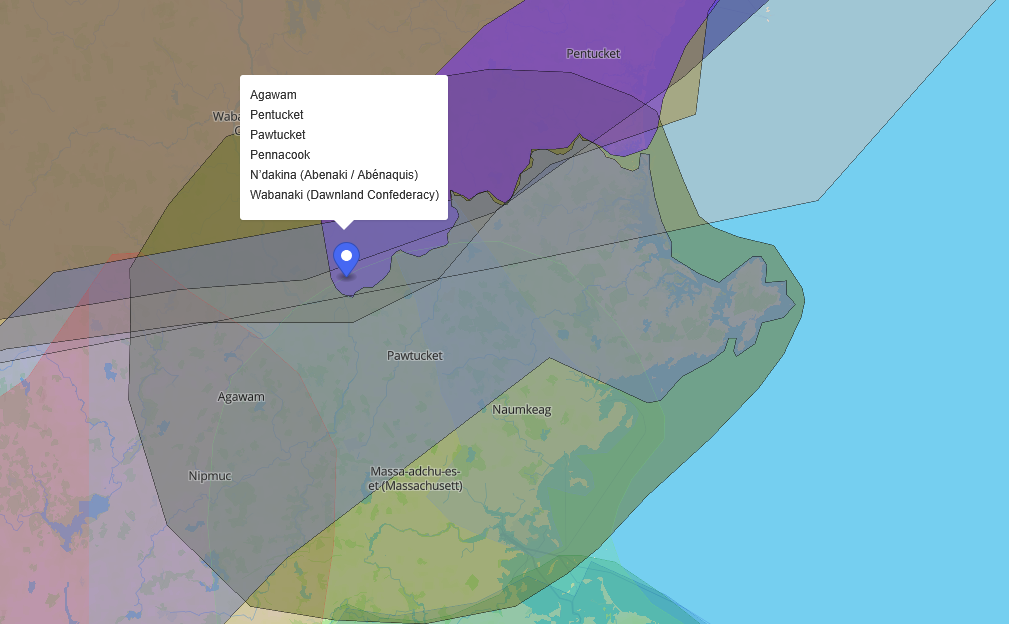
The left image shows the historic borders of the Wabanaki Confederacy; the image on the right shows the blue pin of present day Dracut, MA & the Indigenous peoples who originally stewarded this land according to native-land.ca
"It should be noted that the greater Abenaki Nation did not relinquish any portion of our homeland as a result of any land lease, deed, grant, taking, treaty, or agreement executed by any Abenaki individuals or families, and does not recognize any agreements that have been used to occupy our homeland. There are no known legitimate or lawful agreements that were executed by or "on-the-behalf-of" the greater Abenaki Nation, Abenaki Bands, Abenaki families, or Abenaki People from the time of creation to present day. Any land related agreements that were executed in Canada or the United States, after their national sovereign status was declared, were done so without the full authority or recognition of the greater Abenaki Nation and Abenaki People that were resident on both sides of the Canadian-United States political border. At the time that any such lease, deed, grant, taking, or agreement may have been created, they were done so in violation of existing laws and regulations of authority and the representative parties were not authorized to enter into such agreements on the behalf of the greater Abenaki Nation, Abenaki Bands, Abenaki families, Abenaki People, or the occupying governments of the time."
—"N'dakina, Our Homelands" from the official Cowasuck Band of the Pennacook-Abenaki People website
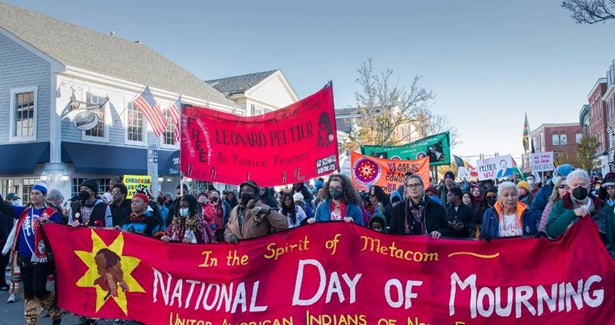
With Thanksgiving Day upon us, it's vital to note that many Native Americans do not celebrate it. Instead, many observe the National Day of Mourning. The arrival of the Puritan pilgrims heralded great violence brought on by colonialism—not to mention the introduction of European diseases (which were at times weaponized against the Native peoples) that devastated many of the Dawnland's inhabitants (and beyond). Since the 1970s, Indigenous folks and their allies gather in Plymouth, MA each year on the fourth Thursday in November to mourn ancestors lost to genocide and forced displacement—and reckon with the impacts of colonialism that persist to this day.
National Day of Mourning Livestream from Plymouth, MA | Will be livestreamed starting at 12PM EST on 27 November 2025; recording later available
"Since 1970, Indigenous people & their allies have gathered at noon on Cole's Hill in Plymouth to commemorate a National Day of Mourning on the US Thanksgiving holiday. Many Native people do not celebrate the arrival of the Pilgrims & other European settlers. Thanksgiving Day is a reminder of the genocide of millions of Native people, the theft of Native lands and the erasure of Native cultures. Participants in National Day of Mourning honor Indigenous ancestors and Native resilience. It is a day of remembrance and spiritual connection, as well as a protest against the racism and oppression that Indigenous people continue to experience worldwide.
Join us as we continue to create a true awareness of Native peoples and history. Help shatter the untrue image of the Pilgrims, and the unjust system based on white supremacy, settler colonialism, sexism, homophobia and the profit-driven destruction of the Earth that they and other European settlers introduced to these shores. Solidarity with Indigenous struggles throughout the world! From Turtle Island to Palestine, Colonialism is a Crime!"
—Statement from United American Indians of New England (UAINE) for 2025's National Day of Mourning
It's important to remember that supporting Indigenous sovereignty, dedication to decolonization efforts, and allyship to Native Americans does not end with land acknowledgements. It is a step towards proper cooperation to both redress old wrongs and develop a better future for Indigenous peoples, the environment, and the world at large.
The Land Back Movement Explained: Ep 22 of Crash Course Native American History | Hosted by Che Jim | 11 November 2025
This Native American History month & National Day of Mourning, think of how you can best support collective action to aid our Indigenous neighbors today and all year long. Here are a few suggestions:
- Donate to organizations that support the needs of Indigenous people & Native communities such as the Massachusetts Center for Native American Awareness, United American Indians of New England, the Native American Rights Fund, Running Strong for American Indian Youth, and StrongHearts Native Helpline.

- If you can safely afford it, consider giving an informal "Voluntary Land Tax" donation to directly support the Indigenous peoples who were the original stewards of the unceded land you live on. (If you want to setup a more formal land tax situation, it is best to respectfully approach the tribe/nation/community you wish to support first, and once you've built a relationship with them, collaborate on how best to setup a recurring voluntary land tax.) For fellow Dracuteers like myself, that would mean potentially donating to the Cowasuck Band of the Pennacook-Abenaki People and/or the Wabanaki Commission on Land and Stewardship. Also consider supporting the Greater Lowell Indian Cultural Association!
- Read Indigenous literature all year long! Learning more about Native cultures, Indigenous ways of knowing, and Native American art all compound into a fuller education and understanding of today's Indigenous peoples of Turtle Island (North America). Checkout some comprehensive book recommendations HERE & a list of children's literature HERE. For us New Englanders, I highly recommend checking out the non-fiction anthology Dawnland Voices: An Anthology of Indigenous Writing from New England! (Copies of Dawnland Voices are available to borrow through the Merrimack Valley Library Consortium.)
 Mi’kmaq-Wolastoqey Centre
- Remember to listen and learn, especially as many of us must unlearn falsehoods or inaccuracies taught to us in schools or shown in popular media, such as the pervasive myths of the "Vanishing Indian" or "Noble Savage", or the continued settler colonial myth-making around Christopher Columbus, the First Thanksgiving, etc.
 Isabella Thurston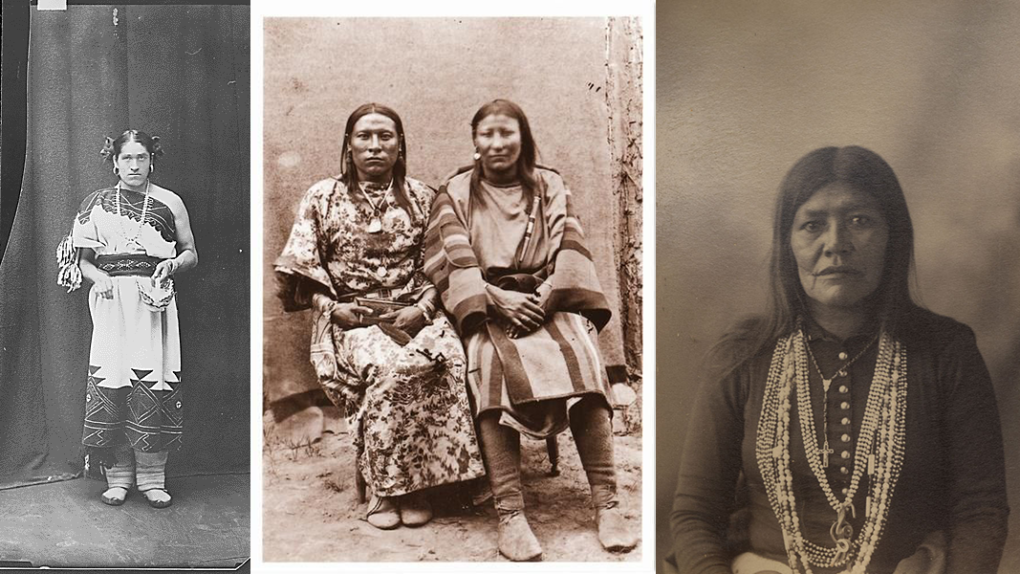
- Support continuing efforts to change the Massachusetts State Flag, Seal, and Motto to replace our current flag design (which features a racist chimaera of a Native person threatened under a colonizer's sword).
- Care for the environment and land itself, fighting exploitation that harms not only Indigenous people but all people. Efforts by organizations like the Dracut Open Space Committee help preserve our unique local ecologies and make sure that protecting & appreciating the land is something available to everyone, not just private landowners! Other organizations like Lowell Litter Krewe actively work to care for open spaces and keep the environment clean & safe.
- Support Indigenous Two-Spirit folks through organizations like Two Spirit Advocacy, Healthy Native Youth, & the Native Youth Sexual Health Network. Follow Two-Spirit social media accounts for different perspectives, education, & Indigenous art.
 Quispe López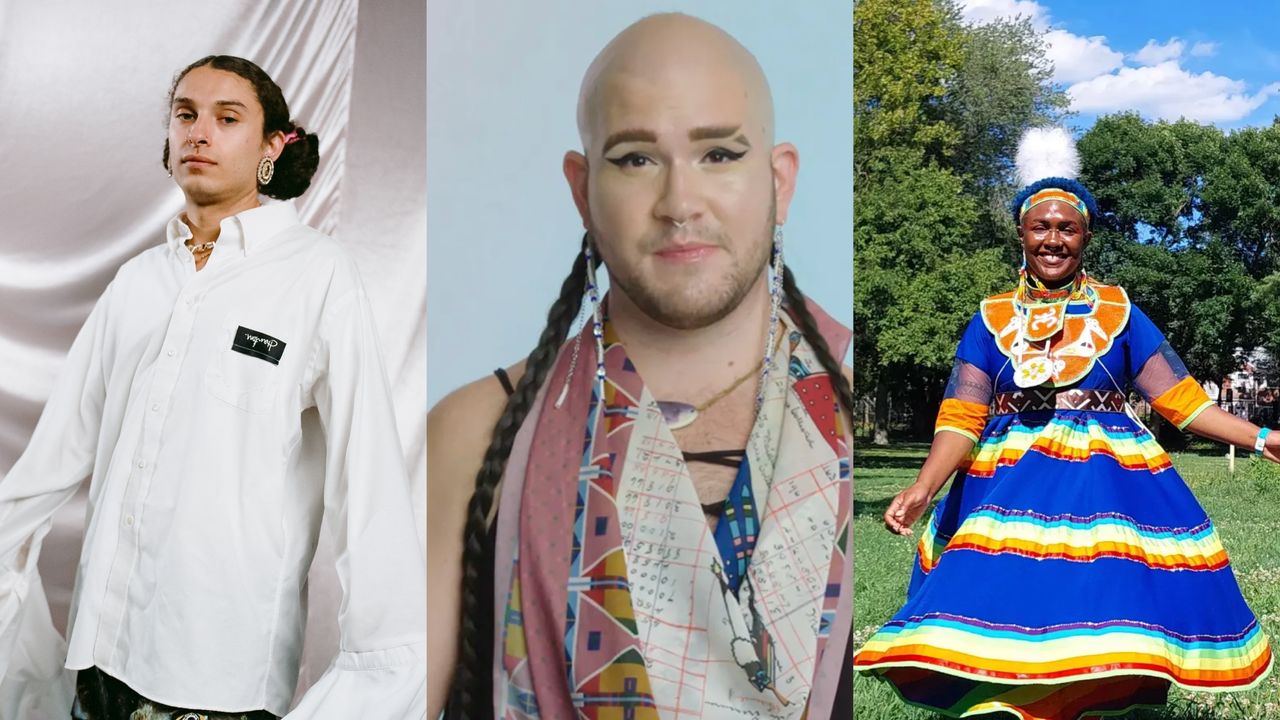

—Rainbow Dracuteers, November 2025